SYNOPSIS
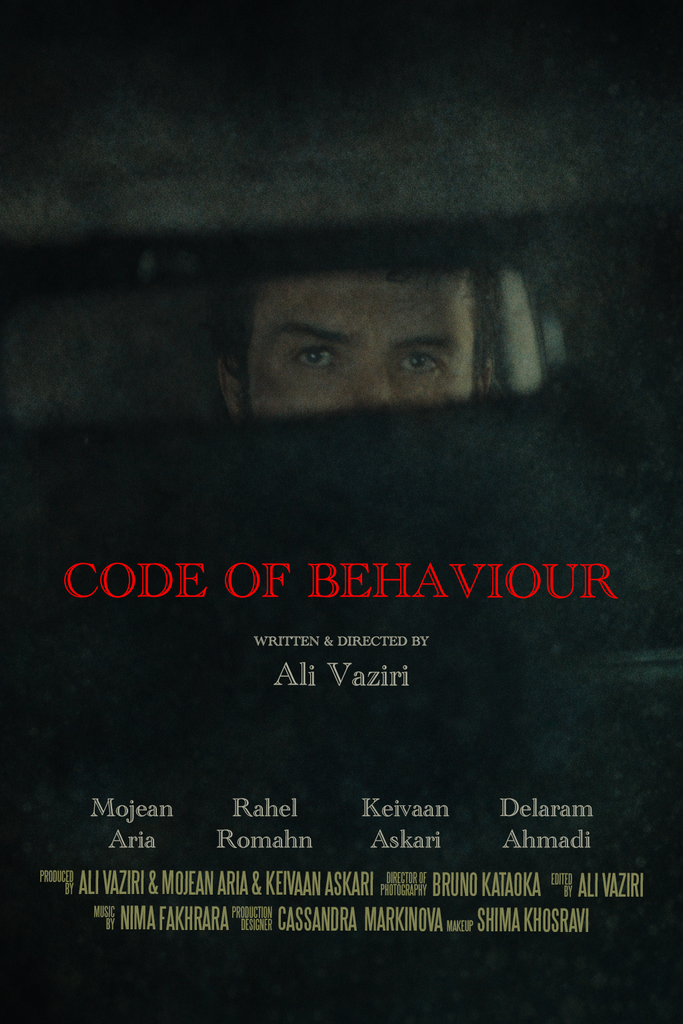
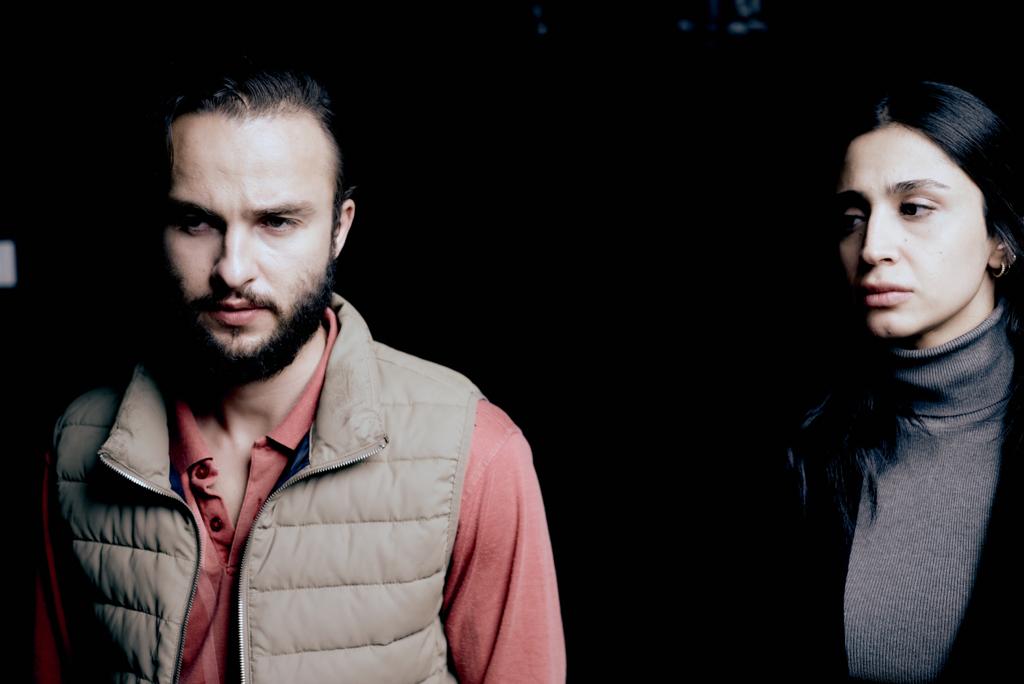
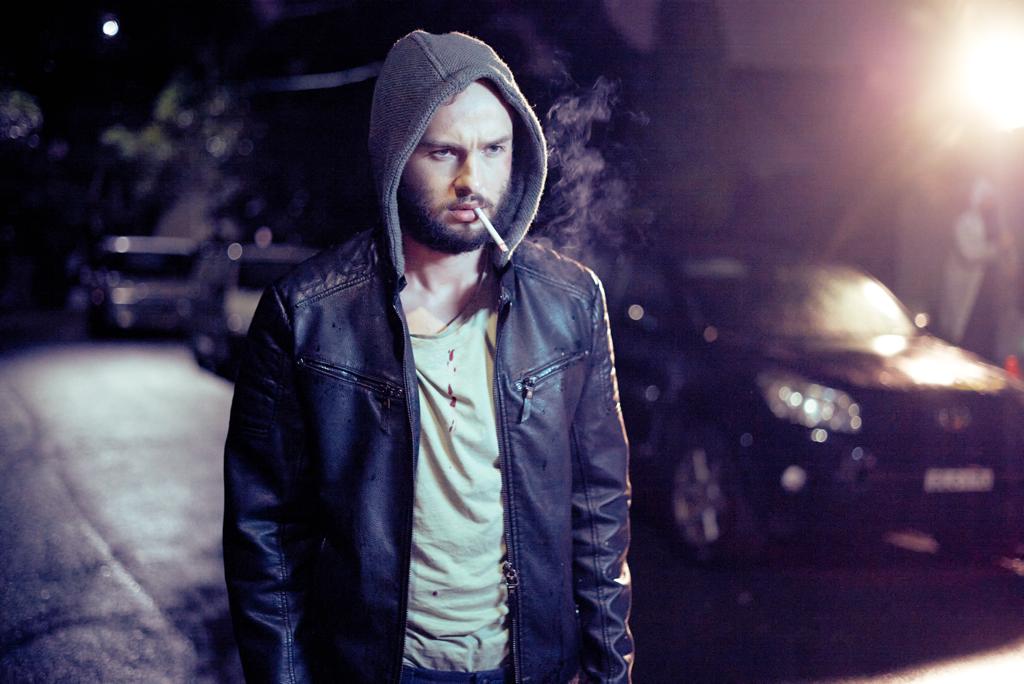
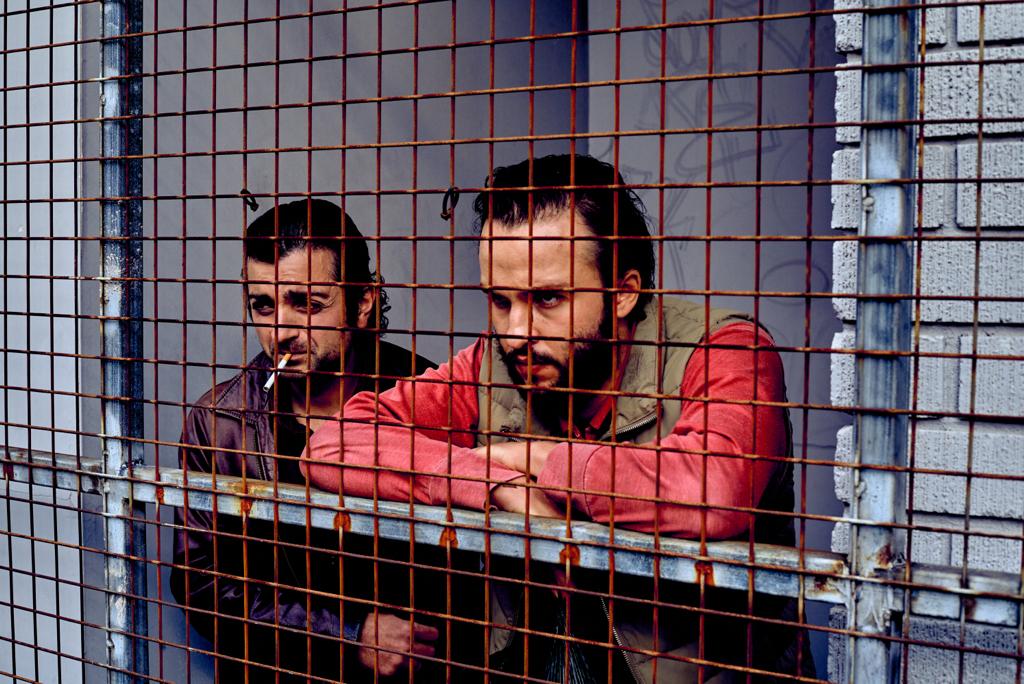
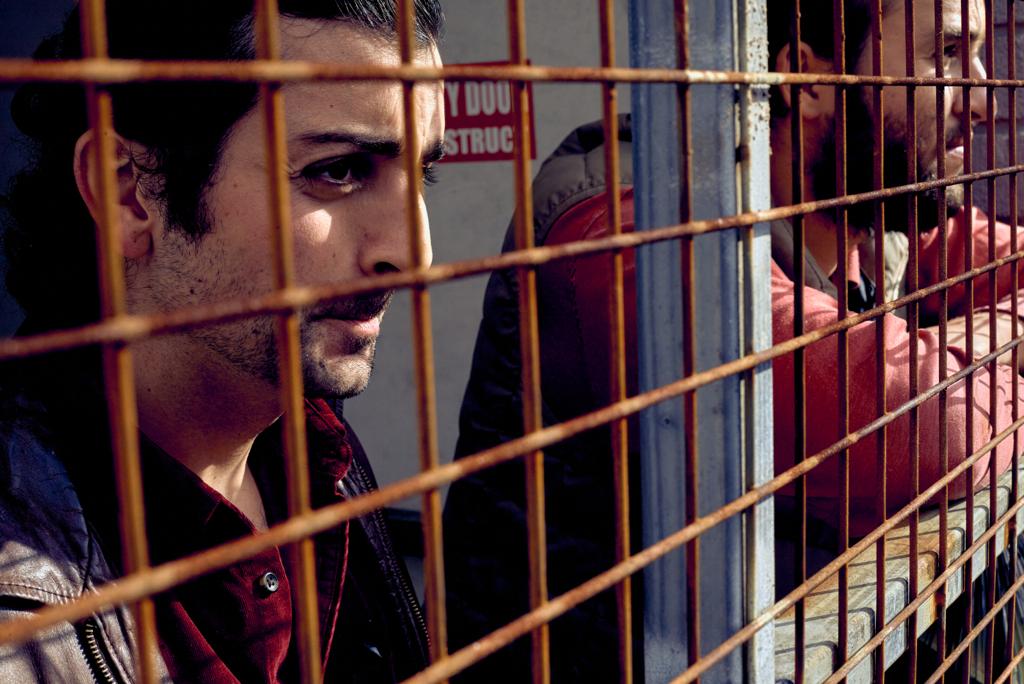
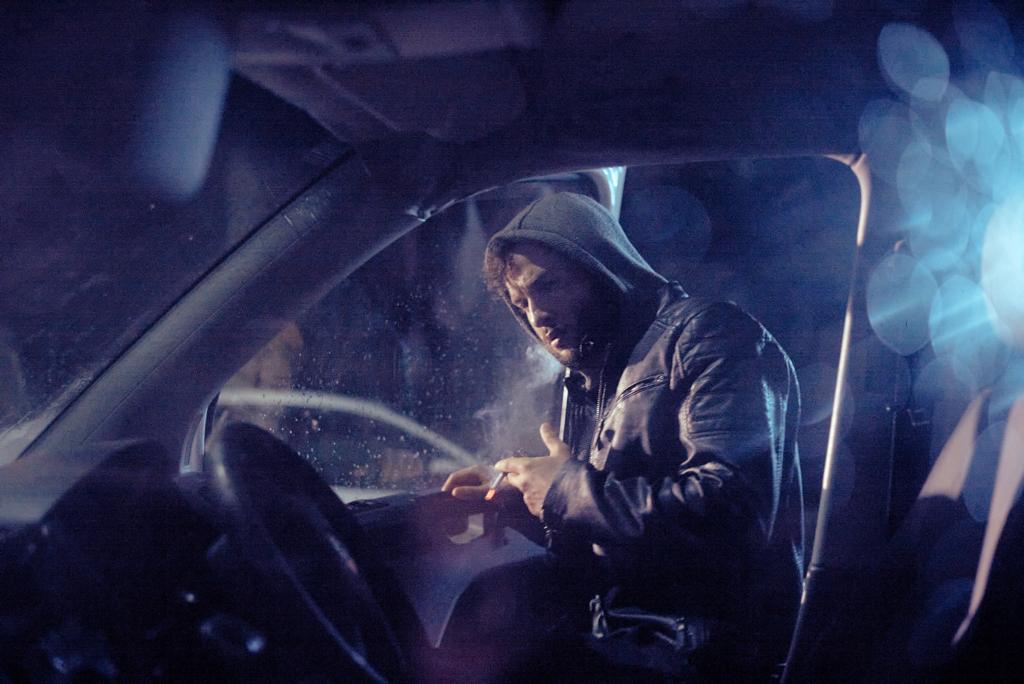
Banned from working and desperate to save his mother from homelessness back in Iran, an Iranian refugee in Australia accepts a job from a fellow refugee — only to find himself trapped in something far more dangerous than he bargained for.
BIOGRAPHY
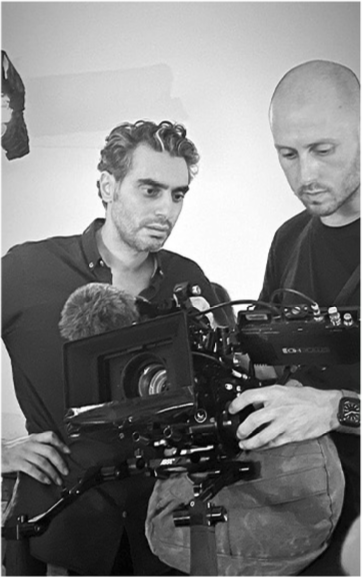
Ali Vaziri Producer/ Director/ Writer
Ali was born in Tehran, Iran, and studied cinema at the University of Dramatic Arts. During this period, he collaborated with renowned Iranian filmmakers including Shahram Mokri (Fish & Cat). He later directed his first television series, followed by a high-budget television film.
In 2012, after directing a documentary critical of the Iranian regime, Ali was stripped of his directing credentials and faced the choice of abandoning filmmaking or seeking asylum. He left Iran and travelled to Australia by boat. Upon arrival, he was detained for several months in immigration detention centres before being released and rebuilding his life from scratch.
In 2015, the Australian government granted Ali his first working visa. He directed his first short film, AFAR (2018), which premiered at the Persian Film Festival in Sydney. In 2019, he completed his second short film, The White Limbo, a technical and conceptual exploration of the asylum-seeker experience in Australia. The White Limbo received an Honourable Mention for Best National Short Film at the Multicultural Film Festival and is currently available for streaming on SBS On Demand.
He is currently in post-production on his new film, Last Breakfast with Mum.
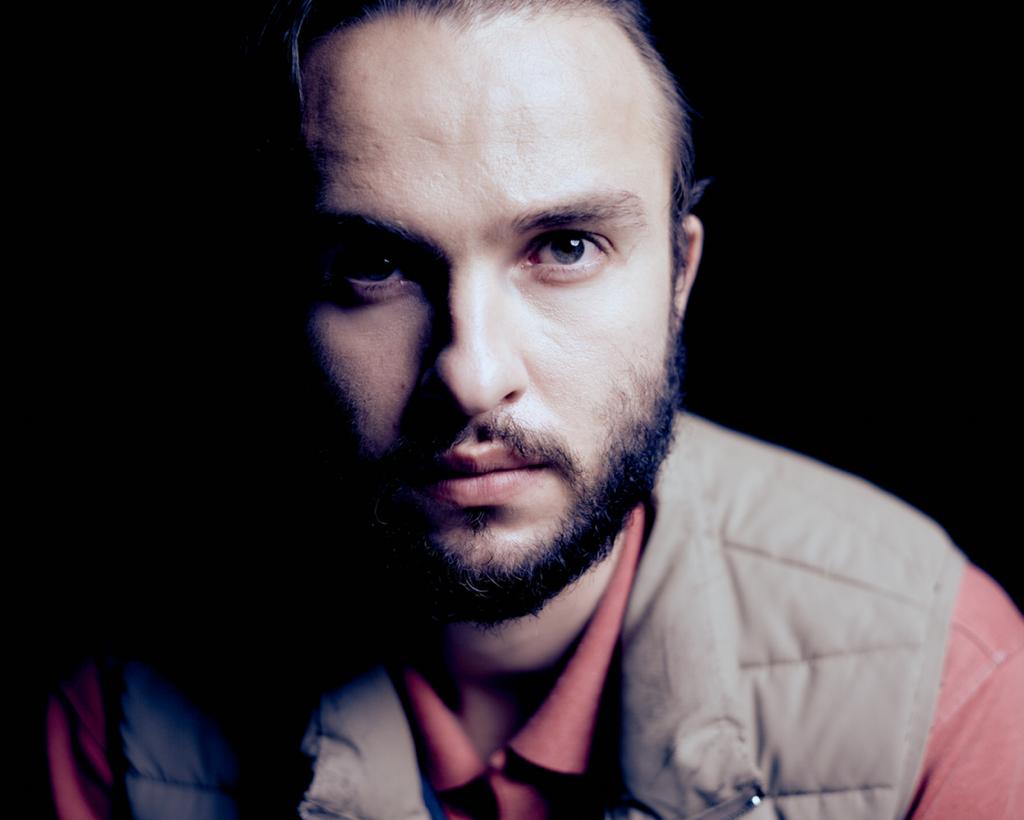
Mojean Aria Producer/ Actor
In 2017, Mojean became the first-ever unsigned recipient of the Heath Ledger Scholarship, as well as being the first from a multi-cultural background. The illustrious judging panel consisted of Gary Oldman and backed by benefactors Michelle Williams and Nicole Kidman, among others. Boys Don’t Cry director Kimberly Peirce, who served on the judges’ panel praised Aria’s work by defining it as “rich, nuanced, precise, beautiful, authentic, emotive and fierce.” Mojean has since gone on to star in projects opposite the likes of Hugh Jackman, Jason Momoa and Antonio Banderas. In 2023, Mojean co-starred in Shayda opposite Cannes Best Actress Winner, Zar Amir Ebrahimi. The film premiered at the 2023 Sundance Film Festival where it won the Audience Award in the World Cinema Dramatic Competition and was acquired for distribution by Sony Pictures Classics. The film is directed by Noora Niasari and is produced by Cate Blanchett and Vincent Sheehan (Animal Kingdom). Mojean’s performance was nominated for Best Supporting Actor at the 2024 AACTA Awards (Australia’s equivalent to the Academy Awards). In 2024, Mojean co-starred in The Correspondent opposite Richard Roxburgh as the famed activist Alaa Abd El-Fattah. Most recently, Mojean completed production on Beast in Me where he is co-starring opposite Russel Crowe.
DIRECTOR’S STATEMENT
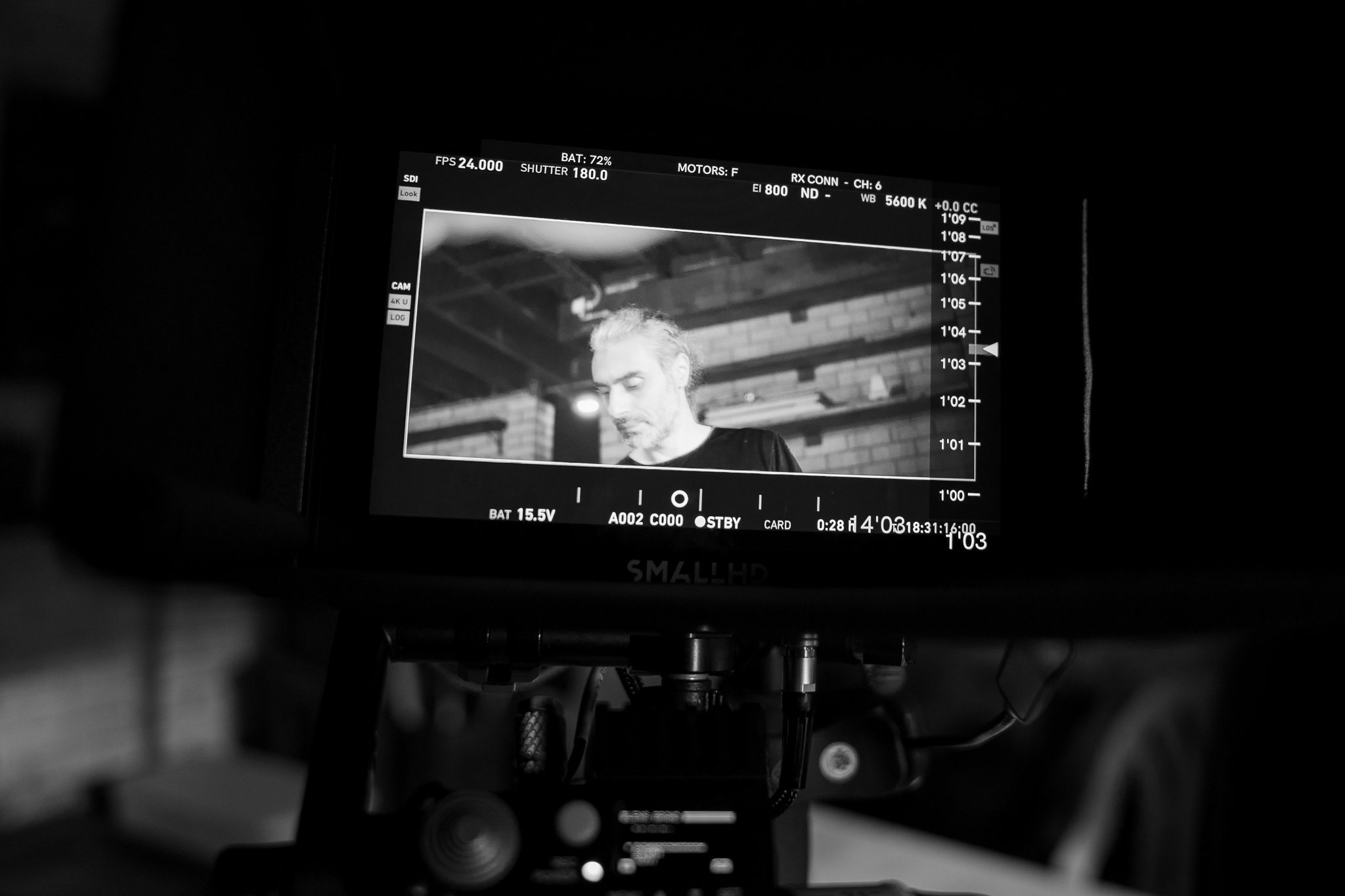
This film emerges from a personal fascination with the quiet moments where moral certainty begins to fracture. As someone who has lived between systems, cultures, and imposed rules, I am drawn to characters who are forced to confront the invisible codes that govern their behaviour—often without their consent.
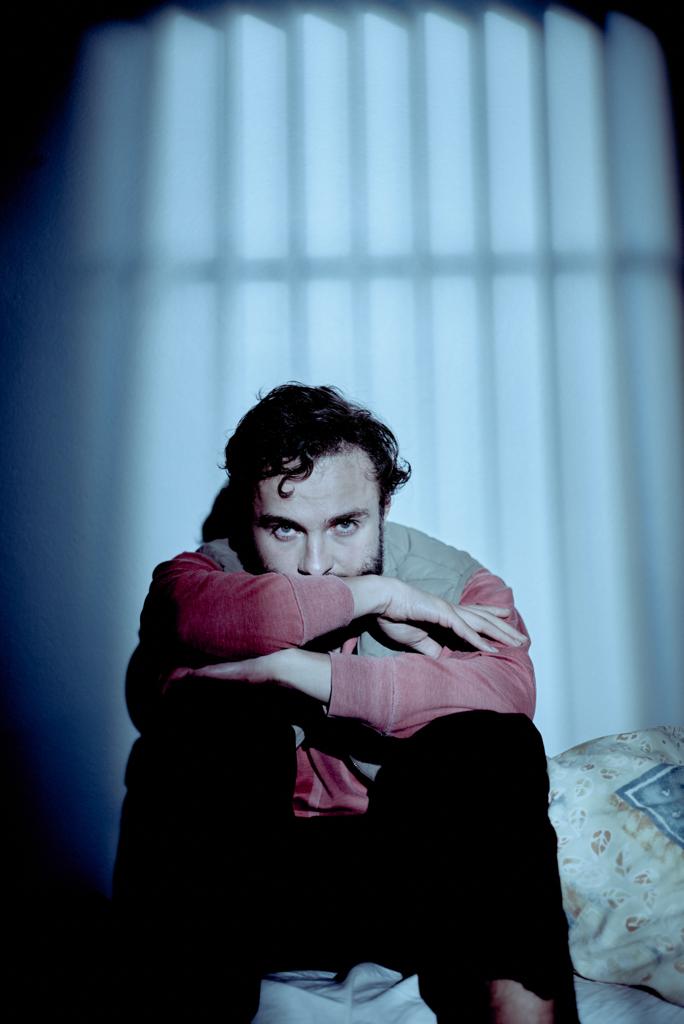
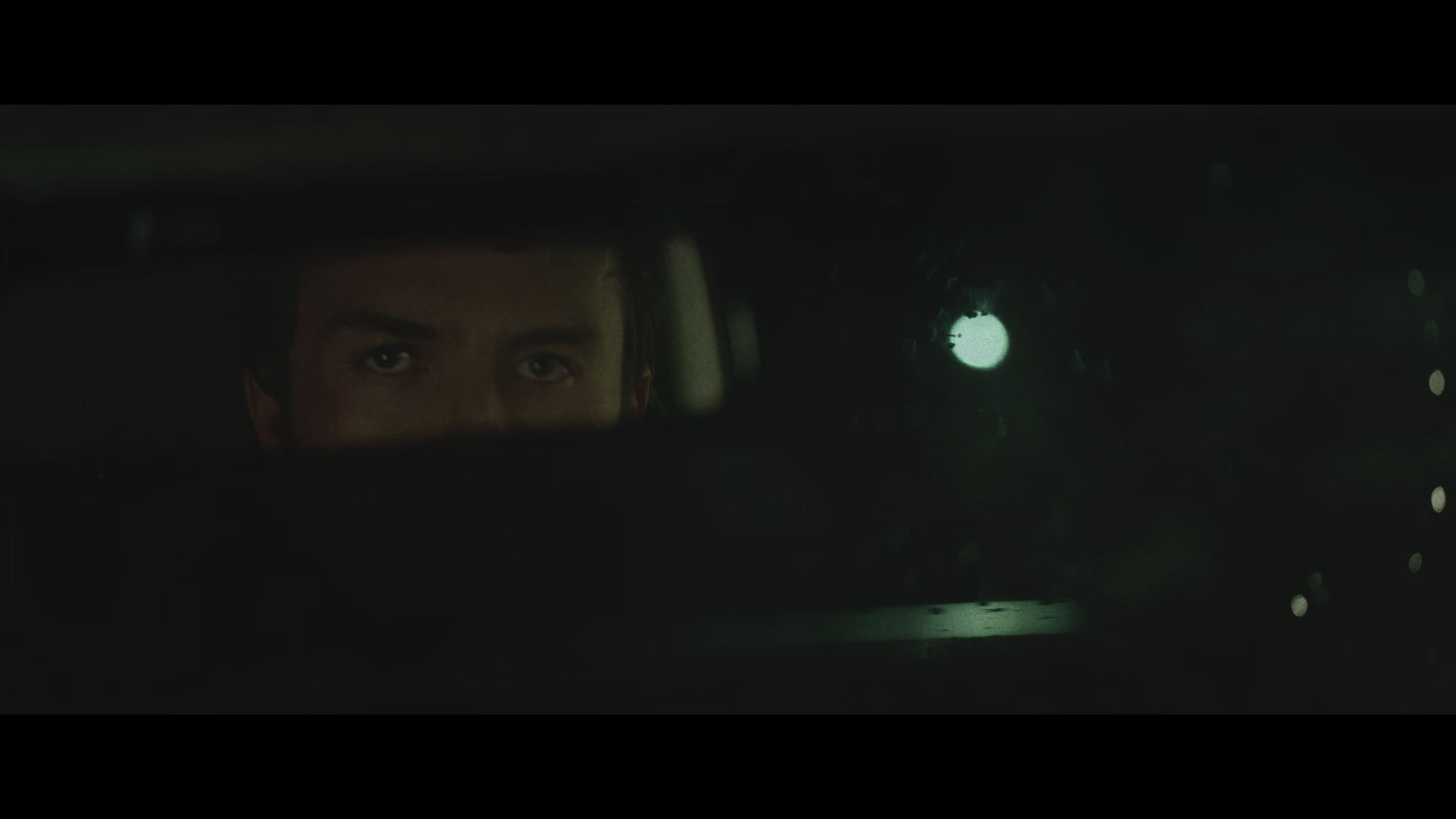
Code of Behaviour focuses on a man isolated within his own internal landscape. His solitude is not simply physical, but ethical and emotional as well. He lives in a state of suspension, caught between who he believes he should be and who he is becoming under pressure. The film is less concerned with action than with erosion—the slow collapse that occurs when restraint, guilt, and silence accumulate over time.
I am interested in portraying collapse not as spectacle, but as a turning poit toward an apex. The camera remains close, allowing the audience to inhabit the character’s internal tension rather than observe it from a distance. By stripping away narrative excess, the film creates space for the audience to project their own experiences of isolation, control, and emotional containment.
As a director, I am drawn to minimalism and brevity. Performance, texture, and stillness are central to my approach. I want the viewer to feel trapped inside the character’s psychological state, where every gesture carries weight and every pause suggests something unspoken.
At its core, Code of Behaviour is about the cost of self-regulation—about what happens when the rules we follow no longer protect us, but begin to hollow us out. It is a film that invites reflection rather than seeking answers, and one that I hope resonates with anyone who has experienced the quiet violence of internal collapse.
SELECTED STILLS